August 07, 2025
Embracing Biodiversity Net Gain: A New Era in Environmental Protection
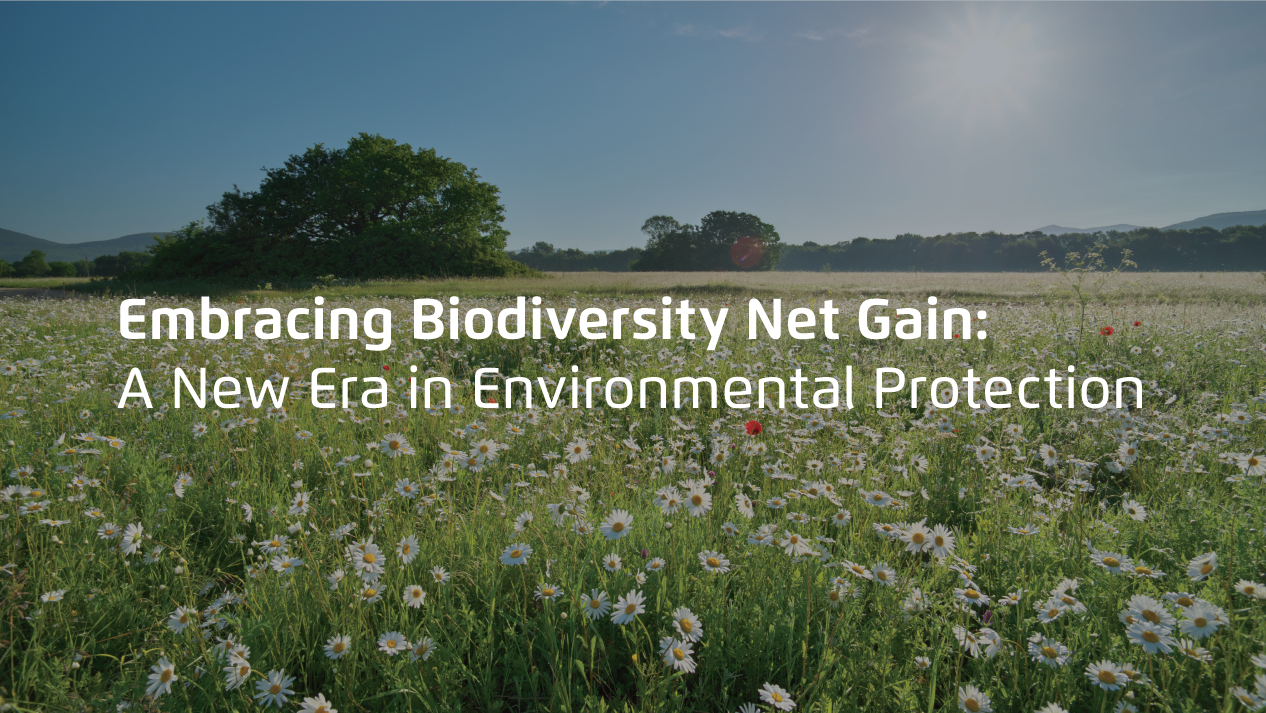
As we navigate the complexities of modern development, the need for sustainable practices becomes increasingly urgent. One pivotal approach gaining traction is Biodiversity Net Gain (BNG), which mandates that developments result in a measurable improvement in biodiversity. Starting in February 2024, this requirement became an integral part of planning policy in the UK, compelling developers to enhance habitats by at least 10%.
What is Biodiversity Net Gain?
BNG promotes the idea that development should not come at the expense of our environment. The concept hinges on the variability of life on Earth – biodiversity. It recognises our responsibility to create and improve natural habitats, ensuring a thriving ecosystem for future generations. By adopting BNG, we are incrementally increasing biodiversity and making a significant commitment to environmental stewardship. ‘BNG is an approach to development which makes sure that habitats for wildlife are left in a measurably better state than they were before the development.’ (Gov.uk 2024)
How Can Concertus Support You?
Our landscape architects are at the forefront of championing BNG, participating in collaborative initiatives like a biodiversity working group with Suffolk County Council and sharing insights across all service areas within Concertus. By actively engaging with planners and stakeholders, we are adapting our approach and ensuring that biodiversity considerations are incorporated from the outset.
Rachel Cade, Principal Landscape Architect at Concertus, said: “Biodiversity Net Gain is much more than a regulatory checkbox. It is an ethos that encourages us to create developments that benefit both people and the planet. By embracing this approach, we can ensure that our legacy is one of sustainability, enriched ecosystems, and a healthier environment for all. We don’t just want to meet the challenge – we want to exceed it and lead the charge toward a greener future.”
Planning for the Future: Implementation and Challenges
The implementation of BNG presents exciting opportunities as well as challenges for the built environment. We are working with developers and our clients to navigate the complexities of planning policies, habitat assessments, and legal requirements. This also means we are involving Ecologists in the early stages of design, ensuring that projects are built with biodiversity in mind from the start.
It isn’t as simple as planting a few extra trees. One of the crucial aspects of achieving BNG lies in understanding how the biodiversity of a potential site is assessed. Before development, a suitably qualified ecologist will evaluate the existing habitats, categorising their types and assigning them a value, in line with the statutory BNG metric produced by Natural England. This baseline measurement serves as a reference point for measuring biodiversity improvement post-development. However, a significant challenge arises when working on sites with rich existing habitats and how to enhance and work with what is already there, whilst still achieving the built elements that our clients require.
Education and Engagement: Building a Culture of Biodiversity
A holistic approach to BNG encourages engagement and education among all stakeholders, including architects, project managers, and building surveyors. Training programmes, such as those conducted by our in-house Landscape Architect, William Goodwin, are essential for instilling a culture where biodiversity considerations underpin every project.
By fostering a comprehensive understanding of BNG across teams, we empower each member to think critically about their contributions to biodiversity enhancement. This culture of sustainability not only aligns with planning requirements but also elevates the overall design quality. Incorporating elements like green roofs or creating connectivity through good landscape design can significantly amplify the environmental impact, demonstrating that thoughtful design goes hand in hand with ecological responsibility.
Navigating Offsite Solutions: When Onsite Gains Aren’t Enough
If a project site cannot accommodate the necessary 10% gain in biodiversity, the legislation allows offsite biodiversity credits, though these are typically seen as a last resort due to their cost and legal complexities. Engaging with local councils or national credit schemes can provide pathways for compliance, though often at a premium. So, our proactive and creative approach to onsite biodiversity enhancement should always be prioritised. This also re-enforces the importance of early project engagement with both landscape and ecology professionals to ensure the BNG is designed into a scheme right from the beginning.
Collaborative Efforts and Future Projects
As we look ahead to future projects, integrating BNG is a testament to our commitment to preserving and enhancing our environment. From high-quality planting schemes to thirty-year management plans, we ensure that our designs remain responsive to our environment and continue designing responsibly.